
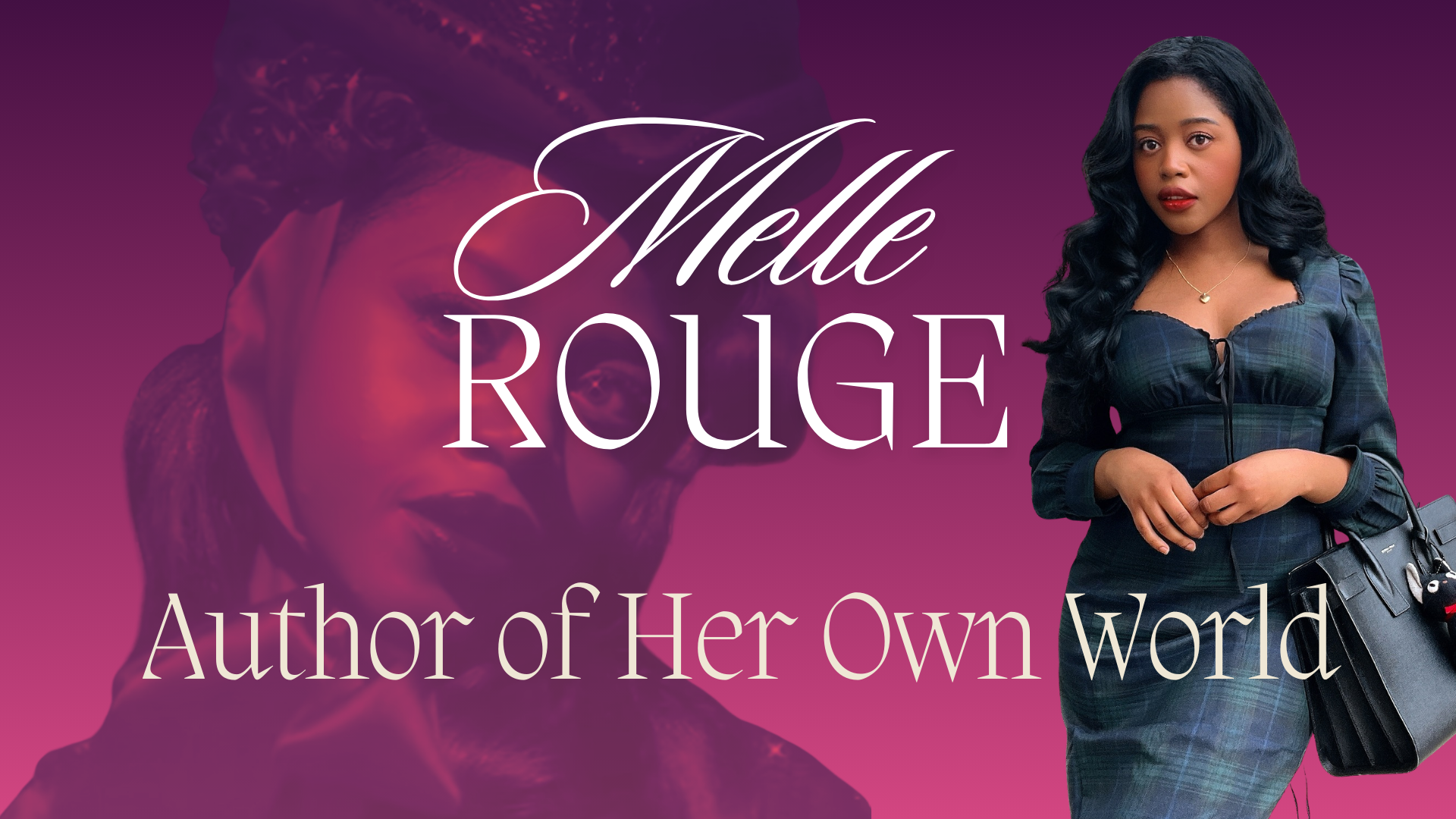
The Role No One Cast Her In — She Took It Anyway.
There is a particular kind of creative who defies easy categorization — not because they are trying to be difficult, but because their imagination genuinely refuses to be contained. Melle Rouge is one of those people.
Part actor, part novelist, part world-builder, Rouge came to public attention through the quiet alchemy of social media, where she began embodying characters from vintage films and theatrical traditions that many assumed weren’t meant for someone who looks like her. The response was polarizing in the way that genuine originality always is: liberating for some, unsettling for others. She kept going anyway.
Born into a household where Turner Classic Movies played on a loop and anime shaped her early sense of narrative, Rouge has spent her life at the intersection of beauty and darkness, elegance and emotional depth. She is currently at work on two novels, pursuing acting with renewed intention, and building a body of work that insists — quietly but firmly — that Blackness is allowed to be soft, theatrical, whimsical, and romantic all at once.
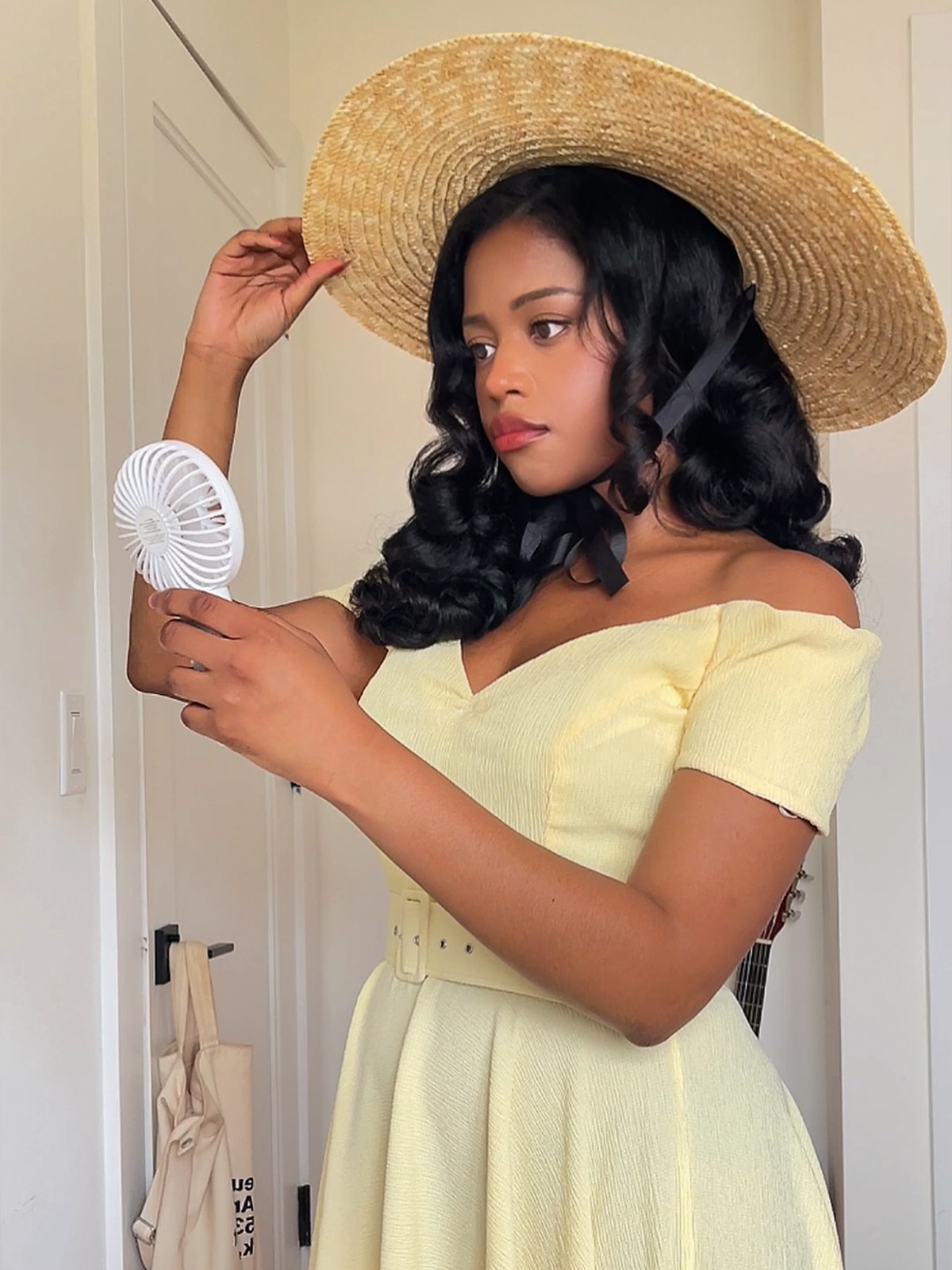
We sat down with Rouge to talk about her origins, her influences, the pressures she has navigated, and the creative chapter she is stepping into next. She did not hold back — and honestly? We wouldn’t have it any other way.
When did you first realize storytelling and performance were something you wanted to pursue seriously, not just as a hobby? What did that moment feel like for you?
I think storytelling has always been there for me. When I was a kid, I was obsessed with anime and manga, especially Sailor Moon. But more than watching it, I wanted to build worlds of my own. I started by drawing comics and creating character profiles, settings, and backstories. I wanted to construct worlds.
In high school, that expanded into a love for writing, philosophy, mythology, and fairy tales. I became fascinated by what stories reveal about people on the inside. I was interested in why we tell certain stories and what they say about who we are.
I went to school for comic art before switching to fashion design, but the throughline was always narrative. Telling story through clothing. Expressing one’s self through dress. At home, my grandmother kept Turner Classic Movies playing, and I would imitate the actresses, their voices and gestures. My mom once told me she loved how expressive I was, and that stayed with me.
When I joined TikTok and started lip syncing scenes for fun, it felt like a natural extension of everything I had been doing. but was not just creating stories anymore. I was stepping inside them.
Now I am working on several novels. At some point, I realized this was not just a hobby. Storytelling is how I process the world and how I express myself within it.
Before the audience, before the numbers — who was Melle Rouge creatively? What kinds of stories or roles were you drawn to early on?
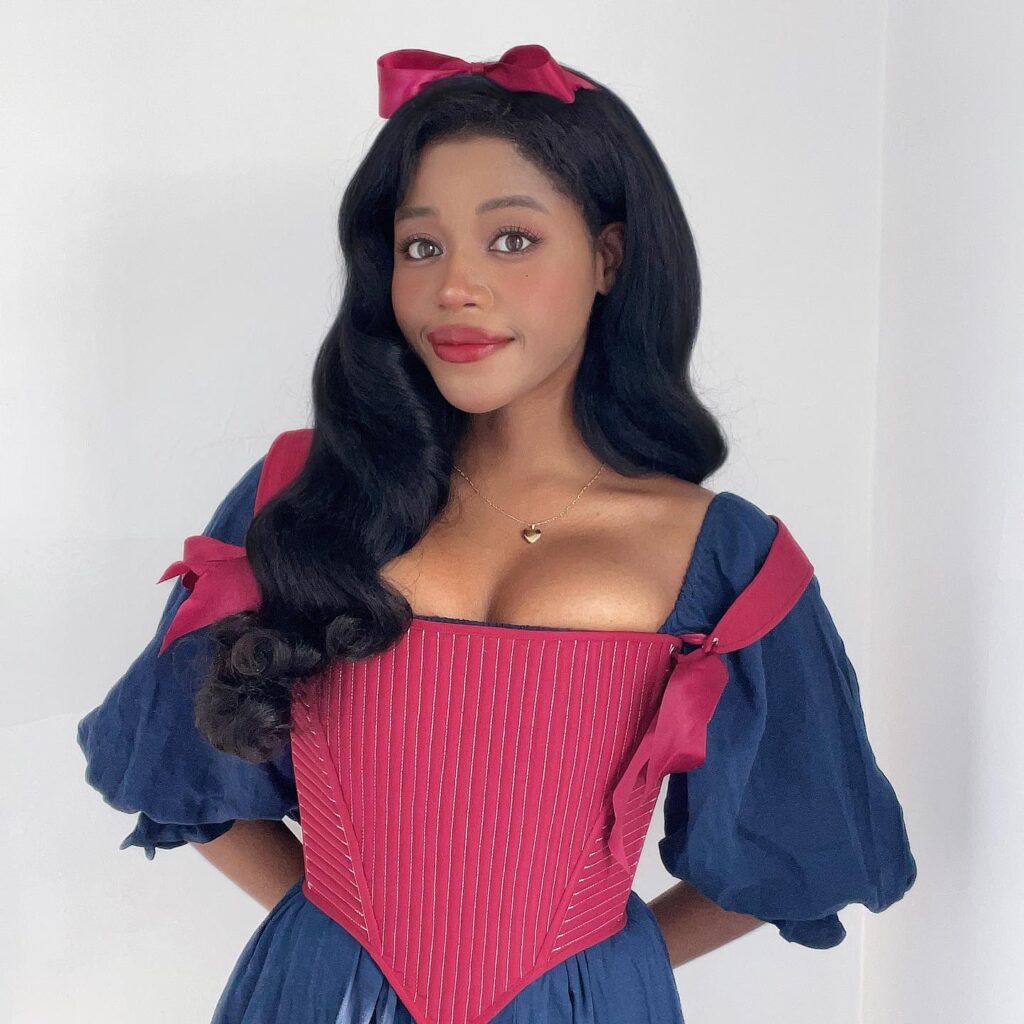
I was always drawn to fantasy and fairy tales because they allowed me to explore heavy topics inside the safety of another universe. I loved how mythology and magical worlds could hold real emotions, grief, love, power, fear, but filter them through something symbolic.
Creatively, I was very much behind the scenes. I preferred being the name on the page rather than the face in front of it. I loved designing characters, building lore, shaping atmosphere. I loved to dress and express myself in a certain way but that was never mean as performance, it’s merely a representation of my personality and my interests.
I did not initially see myself as a front-facing performer. That evolved over time through social media, when people began responding to my expressiveness and encouraging me to explore it more seriously. But at my core, I have always been drawn to narrative first. The role I cared about most was the storyteller.
Were there any early influences — films, books, actors, or even life experiences — that helped shape your artistic voice?
There were many early influences, from different worlds that somehow merged into my voice.
My older sister was one of the first. She shaped my interest in fashion and introduced me to Sailor Moon, which opened the door to manga and storytelling. Two manga that deeply influenced me were Full Moon wo Sagashite by Arina Tanemura and Godchild by Kaori Yuki. Both were beautifully delicate but emotionally dark. That contrast stayed with me. I’m always drawn to beauty with something unsettling beneath it. Maybe because it just feels similar to myself, I resonate with it.
Philosophy also shaped me early on. Jean-Paul Sartre books like Humanism is an Existentialism, and films like Waking Life felt like philosophical fever dreams that genuinely altered how I thought about existence. I became fascinated with questions of meaning, freedom, and identity, and that intellectual curiosity filtered into my storytelling.
Literature played a huge role as well. I loved Shakespeare, especially Hamlet, and novels like Great Expectations. Edgar Allan Poe was a favorite. Older nursery rhymes and public domain fairy tales from the seventeenth and eighteenth centuries also influenced me. I used to download and read them obsessively. Alice’s Adventures in Wonderland and other whimsical but slightly eerie stories shaped my sense of tone. I don’t know if it shows on the outside but I’m truly drawn to narratives that feel somber, romantic, and just a little macabre. Sublime.
Film and performance influenced another side of me. I loved actresses like Shirley Temple, Audrey Hepburn, Rita Hayworth, Judy Garland, and Ginger Rogers. Ginger Rogers’ energy and expressiveness left a subconscious imprint on me. Later, films like Enchanted and Amy Adams’ performance in it resonated deeply with me. That kind of earnest optimism and romantic sincerity is something I aspire to embody. Though I think i’m very different, I look up to it in a way.
And stylistically, Dita Von Teese was a major visual inspiration. Her glamour and femininity. I honestly do not know if I would have ever pin-curled my hair without seeing her first.
You move fluidly between acting, writing, and digital creation. How did content creation become part of your acting journey rather than a separate lane?
It never felt like a separate lane to me because it is all storytelling. Acting, writing, and digital creation are just different mediums for the same impulse. I am pretty introverted and much more comfortable writing than speaking off the cuff. Creating characters, dressing up, building narratives, and stepping into roles has always been how I express myself. Social media became an unexpected extension of that. I could explore tone and character without waiting for permission from an industry gatekeeper. I could cast myself in the roles that weren’t made for me but were loved by me. I could provide representation for others who liked these things but never saw themselves in it. It also became a space for representation.
At first, I just wanted to have fun. I wanted to play with aesthetics and stories. But over time, I realized it was helping me refine presence, timing, emotional expression, and audience connection. In that way, content creation became part of my acting journey rather than something separate from it.
Looking at your body of work so far, what projects or performances feel like personal milestones for you?
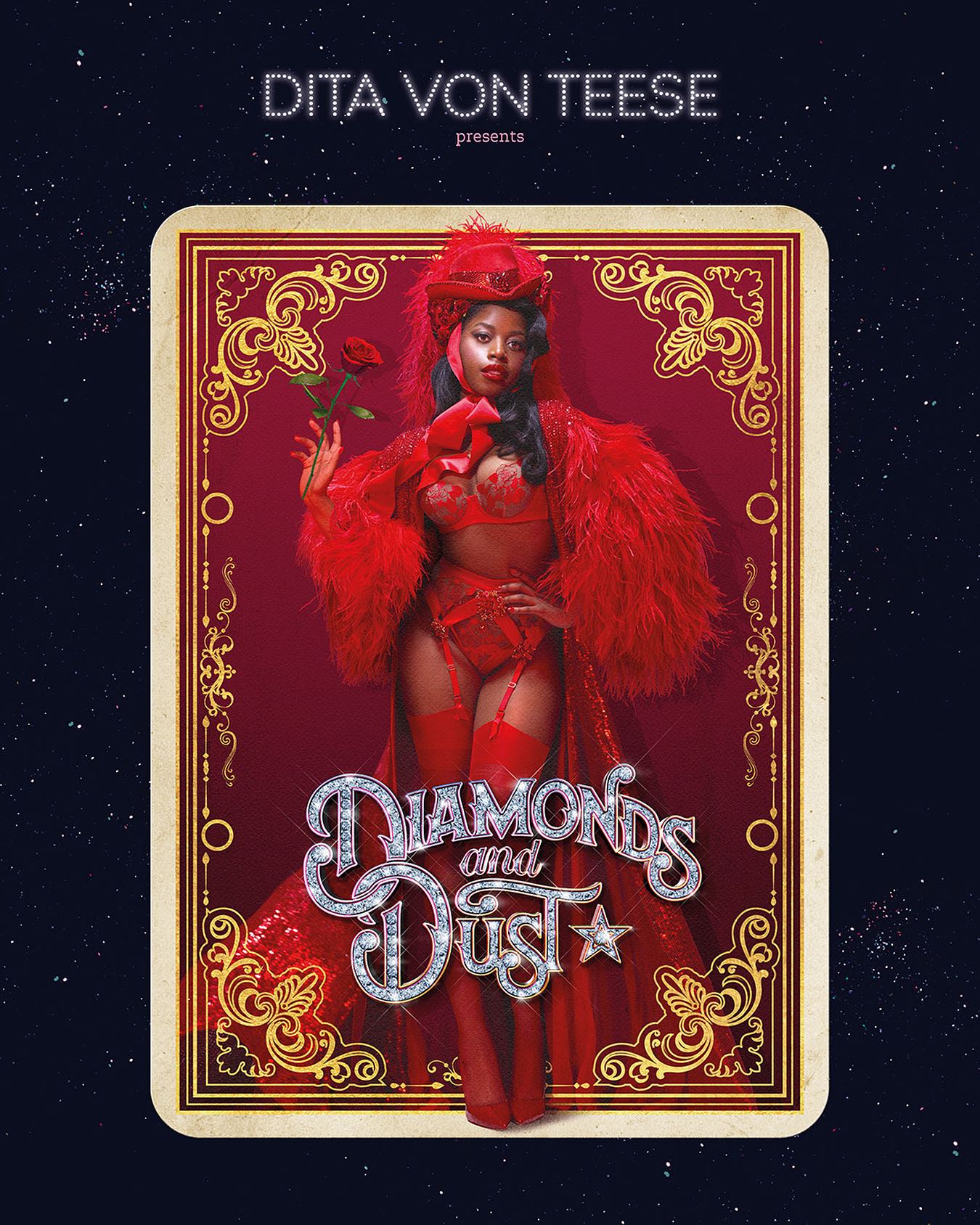
One of my most meaningful milestones was working with Dita Von Teese on a photo shoot. She had been a major visual and aesthetic inspiration for me growing up, so collaborating with her felt surreal. It was a full-circle moment. It felt like someone whose artistry I admired recognized something in mine. I could not yet fully define what that something was, but I knew it mattered.
Building a following online has also been a milestone, even though it was never my primary goal. But watching that grow into a real audience showed me that what I was exploring resonated with people which feels meaningful.
At the same time, I am still in the process of defining my larger milestones. Social media has functioned as a kind of scratch pad for ideas, characters, and performance exercises. I am still shaping how I want to use it long term and what projects I want to anchor myself to more formally.
How has your confidence as an actor evolved from your first performances to now? What have you learned about yourself in the process?
In the beginning, I did not even consider what I was doing to be acting. My earliest performances were just fun experiments. In fact, I remember filming a pretend movie with my sisters when I was younger and watching it back, embarassed, thinking, I should NEVER be an actress. I truly believed I had no natural ability in that area.
Years later, when I began posting on TikTok and embodying different characters through lip syncing started encouraging me to take acting seriously. That was the first time I allowed myself to consider it. What began as playing around soon turned into possibility.
Training, especially at The Barrow Group in New York City, helped shift my confidence. It gave me technique and language for things I had been doing instinctively. I realized that my background in visual art had already trained me to observe. When you draw faces, you study micro-expressions. When you build characters on paper, you think about inner life. I had been practicing emotional awareness for years without calling it acting.
Through this process, I have learned not to limit myself. Sometimes we decide early who we are and what we are not capable of, and we never revisit that assumption. Acting taught me that there are parts of you waiting to be developed. This year, I am committed to exploring that further, both in performance and in writing, and allowing myself to grow into spaces I once thought were not meant for me.
Much of your aesthetic and performance style leans into elegance, fantasy, and classic storytelling. How have you experienced navigating those spaces as a Black actor?
Navigating elegance, fantasy, and classic storytelling as a Black actor has been a mixed bag. When I first started creating publicly, I quickly realized that people carry expectations about how a Black woman should express herself. Leaning into vintage glamour, theatrical femininity, and romantic fantasy disrupted those expectations. For some people, it was liberating. I received messages from Black women saying they had never seen themselves reflected in that kind of aesthetic before and did not realize they were allowed to occupy it. For others, it was triggering. There were accusations that I was trying to be something I am not, or that certain aesthetics did not belong to me. The internet can be vicious, especially when you exist outside of easy boxes. Being a Black creator online means navigating racism, projection, and commentary from EVERY direction. Even from your own people. It requires a lot of resilience.
At the same time, I have always had a very internal sense of belonging. When I watched classic films or read manga as a child, I never felt excluded from those worlds. I did not think, this is not for me because i’m not in it. I thought, I love this, and I want to step inside it. That mindset has carried me. I never saw elegance, fantasy, or classic storytelling as racially restricted spaces.
To me, most stories are fundamentally human. They are about love, grief, longing, ambition, betrayal. Those experiences are not owned by any one culture. So when I lip sync a scene from an old film or embody a romantic archetype, I am not trying to be someone else. I am engaging with a shared human narrative.
Visibility matters. Showing up in these spaces unapologetically sends a quiet message that Blackness is not monolithic. We are allowed to be soft, theatrical, intellectual, whimsical, dramatic, romantic. We are allowed to inhabit fantasy.
Have you ever felt pressure — spoken or unspoken — to tone yourself down, modernize, or “fit a mold” that didn’t align with your vision?
Oh, of course. At the core I think all human beings want to be loved and accepted, and sometimes we feel that to be loved we must adapt or soften parts of ourselves. That’s natural.
Also, because I lean into vintage elegance and classic femininity, I attract a very specific audience. Sometimes that audience is older. Sometimes it carries assumptions about who I am politically, socially, or personally. There have been moments where I felt the urge to modernize or shift my style simply to be perceived differently, to attract people my own age, or to correct projections that do not actually reflect my inner truth.
At the same time, there is pressure in the opposite direction. When you build a platform around a certain aesthetic, people begin to expect consistency. They want you to always be elegant, always poised, never messy, never contradictory. I remember lip syncing something with a curse once and watching part of my audience react strongly. It reminded me that when you create an image, people grow attached to it. They feel ownership over it.
The real challenge has been learning that evolving does not mean betraying yourself. Changing your style, experimenting, showing different sides of your personality, that is still you. The danger is not in growth. It is in shrinking yourself entirely to meet someone else’s expectations.
Fashion and performance are languages, but they are not full autobiographies. I can dress in a way that feels romantic and classic while still being intellectually modern, emotionally complex, even contradictory. That tension is the war of art, as they say.
What does it mean to you to exist visibly and unapologetically in spaces where Black creatives haven’t always been centered?
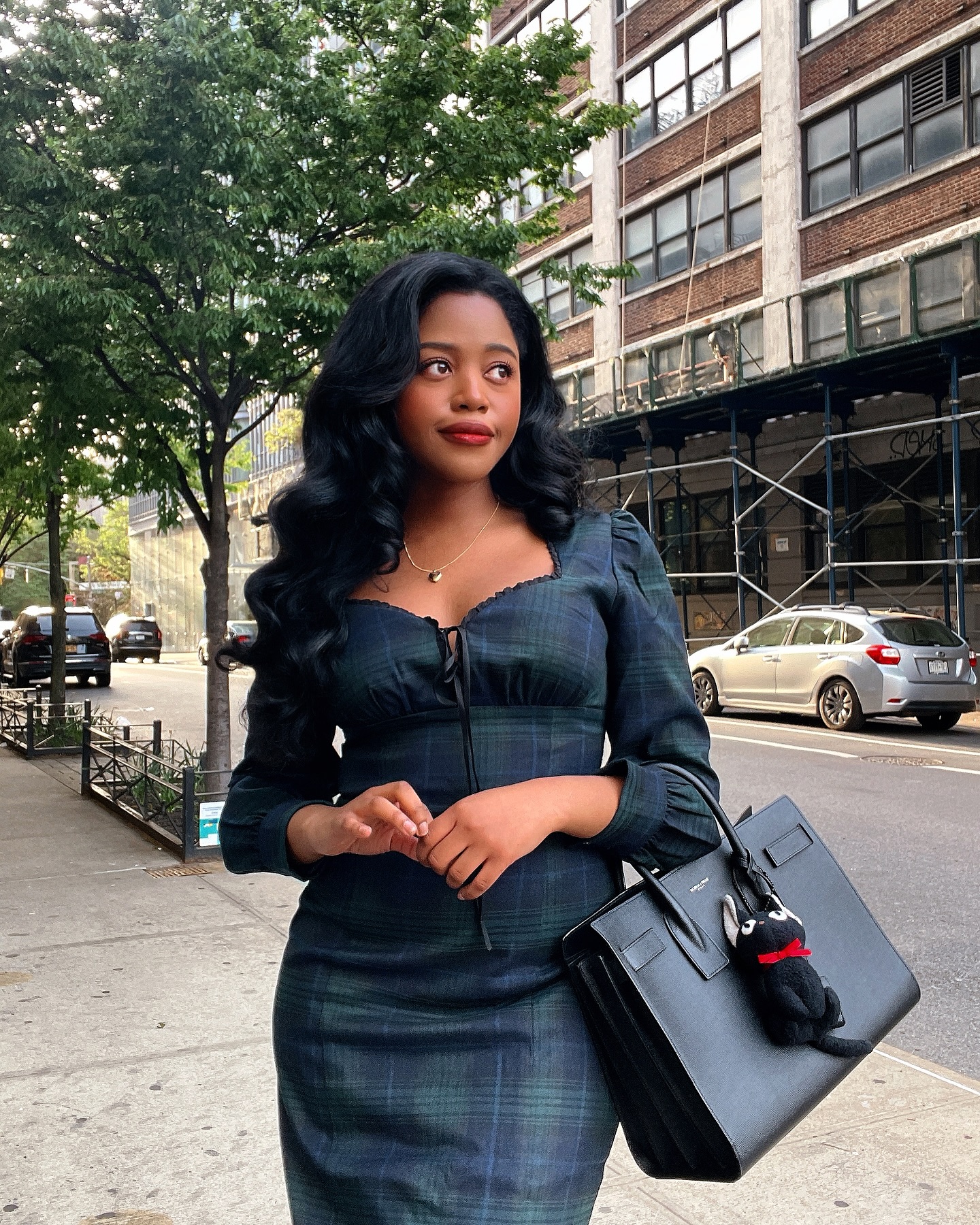
On a simple level, it means representation. It means that someone who loves fantasy, vintage glamour, philosophy, or theatrical storytelling can see a Black woman inhabiting those spaces and realize they are allowed there too. I think that matters deeply, especially for people who have never seen themselves reflected in certain aesthetics or narratives.
But it also means challenging the idea that Blackness is singular. Black identity is not monolithic. It contains softness, intellect, whimsy, darkness, elegance, rebellion, romance. When I show up as my full self, I am not trying to represent everyone, but I am trying to expand the visible range of what is possible.
There is courage in occupying space without asking permission. There is also vulnerability, because visibility invites scrutiny. But I believe that showing up consistently, even imperfectly, quietly shifts the boundaries of who gets to belong where.
How do you protect your creative identity while still working within an industry that often resists difference?
I think the first layer of protection is self-awareness. I regularly ask myself whether a choice is coming from growth or from fear.
Another way I protect my identity is by having personal projects that exist outside of immediate visibility. Writing, reading, studying craft. Those practices anchor me. They remind me of who I am, what I like and that my creativity is not dependent on trends or approval. I’m selfish. I focus on myself and my endless creation of the self. I don’t focus on industry expectations. I cannot control whether the industry resists difference. I can only control how honestly I show up.
What challenges have shaped you the most — not just professionally, but personally — along this journey?
One of the biggest challenges for me has been loving too many things. I love writing, acting, fashion, philosophy, visual art…When you are drawn to multiple crafts, it can feel paralyzing and distracting. There is always the question of whether you would have advanced further if you had chosen just one path and focused relentlessly. I have had to make peace with the fact that I am not wired that way. My multiplicity is simply part of my design.
Another major challenge has simply been adulthood. Im not a rich nepo baby so creating while surviving is difficult. Paying bills, working a nine-to-five, moving, navigating instability. All of that takes time and energy. There is a romantic narrative around the artist, but in reality, most creatives are building their work in the margins of exhaustion.
On a more personal level, grief changed me. Losing both of my parents a year apart forced me to confront mortality, meaning, and resilience in a way nothing else could. Mental health has also been a real part of my journey. Depression and dark periods can feel like creative blocks, but sometimes creativity is also what keeps you sane. Even when it does not lead to public milestones, it can be a lifeline.
But I like to think all of these challenges and experiences give your work more depth.
How do you know when it’s time to evolve creatively versus stay grounded in what already works for you?
I don’t think evolution is something you wait for. It’s constant. To me, creative growth isn’t about abandoning what works. It’s about continuous experimentation. You should always be trying something new, testing your instincts, stretching your range. Some things will resonate and stay. Some things will fall away naturally. The core of who you are tends to survive the experimentation anyway.
I think of it like makeup. I have a style that fits me, something I return to because it aligns with how I see myself. But I still try new techniques and aesthetics. Sometimes I discover a detail I want to integrate. Sometimes I just confirm that what I already love suits me best. Either way, the exploration adds something.
Groundedness, to me, is self-awareness. It’s knowing what sticks and what doesn’t. Your feet can stay grounded in your values and your artistic voice while your spirit evolves. The soul is not meant to be static. It gathers experiences, absorbs influence, and refines itself over time.
The real work is being attuned enough to yourself to recognize what feels aligned and what doesn’t.
What are you currently working on or building that feels especially exciting right now?
Right now, I’m in the middle of writing two novels, and that feels especially exciting.
One is a contemporary literary fiction story about three artists and the ways their pasts shape how they love and project within romantic relationships. It explores intimacy, ego, longing, and how creative people can both hide and reveal themselves through their art.
The other is a fantasy novel centered around a Black prince who is also an artist. His central conflict is learning how to balance responsibility to his country with his personal creative calling. It’s a story about duty versus desire, legacy versus individuality. I think I’m drawn to that theme because it mirrors questions I’m navigating in my own life. How do you honor your gifts while also honoring your obligations? How do you stay true to yourself without abandoning what depends on you?
Beyond writing, I’m also actively pursuing acting more seriously this year. I’ve been training, auditioning, and even doing background work to understand the industry from the inside. It feels like a year of expansion and foundation-building at the same time.
Looking ahead, what kinds of roles, stories, or creative spaces do you want to step into next?
Looking ahead, I want to step further into fantasy writing. I have a lot of ideas I’m developing that are rooted in fantasy, and I want to continue creating worlds and stories that feel magical, diverse and timeless.
As for roles, I would love to be in something like Bridgerton. That would absolutely be a dream. I’m drawn to romantic period dramas, especially the ones that are becoming more diverse. Some sort of diverse, romantic, period-inspired drama would be amazing to be a part of. I also think being in a remake of a classic vintage film would be powerful. There’s something really interesting about reinterpreting older stories through a modern lens.
Another idea I’ve always loved is a gender-bent version of Coming to America. A Black princess navigating love, identity, and power. Stories like that expand what we imagine for Black leads in romantic and regal spaces.
Long term, I would love for my novels to be adapted into films. Even if I’m not cast in them myself, creating roles for Black people in fantasy media is something I care deeply about. I want to contribute to a landscape where those stories are normal, not rare. I don’t just want to be the princess anymore. I want to be the fairy godmother. I want to help build the worlds, open the doors, and create the opportunities that didn’t always exist before.
If you could design your “dream chapter” for the next few years, what would it look like — creatively and spiritually?
If I could design my dream chapter for the next few years, it would be a season of expansion and alignment.
Creatively, I would publish at least two books and continue building a body of work that feels cohesive and intentional. I would love to see one of those books picked up by a production company and adapted into a television series or film.
As an actor, I would love to step into a lead role that challenges me emotionally and aesthetically. Something layered. Something romantic or mythic.
Spiritually, I want to feel settled in my creative identity. I want to wake up knowing I am building something meaningful, not just chasing visibility.
What do you hope audiences truly see when they experience your work — beyond the visuals or performances?
More than anything, I hope my work gives people a sense of possibility. The ability to move through their own lives with a little more softness, a little more imagination, a little more courage to be themselves.
One of the greatest joys of creating is witnessing how art touches someone else. If something I’ve written, performed, or built can put a smile on one person’s face, or make them feel seen for even a moment, that is enough.
For Black creatives who love fantasy, elegance, and classic storytelling but feel out of place — what would you want them to know?
For Black creatives who love fantasy, elegance, and classic storytelling but feel out of place, I would say this: you belong in any space you have the courage to step into. Not my quote, but it’s true.
If you love something, if it moves you, if it expands you, and you are not harming anyone, then there is nothing to be ashamed of. Being different can feel isolating at first, but difference is what creates expansion. When you show up fully as yourself, you are not just doing it for you. You are quietly making space for someone else who thought they were alone.
Be the person you needed when you were younger. Be the image, the voice, the presence you were searching for. You may never know who is watching and thinking, maybe I can do that too. And that is how progress happens.
Follow Melle Rouge’s journey — because trust us, this is only the beginning. ✨
Discover more from Otaku Asylum Magazine
Subscribe to get the latest posts sent to your email.